Insurance in the United States is on a bull run of premium increases, even as coverage becomes tighter and harder to find. The peak in property and casualty lines, which most types of construction coverage fall under, was even the subject of a 2023/2024 House hearing and report, and little has improved since.
There are a few reasons behind this.
Firstly, the rise in claims from extreme weather events, both in scale and frequency, has had a massive impact on the insurance industry. The first half of 2025 alone saw insured losses from these events hit $100 billion, the second-highest on record, and there’s no sign of slowing down. Notably, uninsured losses hit a low in the same period, meaning insurance companies are bearing the brunt of these losses—and pass them on to customers in the shape of higher premiums.
Then there’s the factor hitting construction’s pockets hard: severe input inflation, particularly in materials. Prices are up 6.2% in the first quarter of this year alone, more than in the past three years combined. Construction companies may wonder why that impacts their insurance as well as their bottom line (after all, they’re the ones footing the materials bill), but anything that can be insured will have replacement costs factored into the premium. That applies to both insured raw material and overall site or project replacement costs.
The labor shortage in construction plays a twofold role. More expensive labor means higher costs, and higher insurance coverage to match. But when insurance companies perceive the industry as lacking skilled labor (and it does), that means two things: they either raise costs in anticipation of rising safety risks, or they add more exclusions, “just in case.”
These are all logical factors, but then there is the factor insurance companies don’t want to admit to: insurance costs have also become extremely high because the claims environment has become very easy to abuse.
Even unsuccessful litigation raises your premiums
It doesn’t matter how safe your practices are, how well trained your crew is, or how impressive your on-site safety record is. Claims will come. Some will be exaggerated, some entirely fabricated, but all of them will cost you something to defend—and affect your premium.
In litigation, anyone can bring a claim, even if the facts are weak. Attorneys are heavily incentivized not to pursue poorly supported claims (see, for example, Rule 11 of the Rules of Civil Procedure). However, not every attorney operates as ethically as they should. While frivolous tort cases had been in decline, they rose by 20% in 2023/24, the most recent data available. Premises liability claims, which often affect construction sites, are among the top three.
Claimants don’t actually have to win the case. Defending any claim costs money, no matter how strong your defense is. Insurance companies often prefer to settle with litigants as trials are risky, complex, expensive, and unpredictable. A high percentage of personal injury claims are settled before trial. These costs and the litigation risk are built into premiums.
Construction companies turn to defensibility
Many contractors now feel they have to prepare for disputes before the first truck rolls onto the site. They face not only potential litigious outsiders but also a rise in fraudulent workers’ compensation claims, which are often seen as a “victimless crime,” with little thought for the downstream impacts of rising costs on contractors and companies.
For now, contractors are adapting the way they always have: pragmatically.
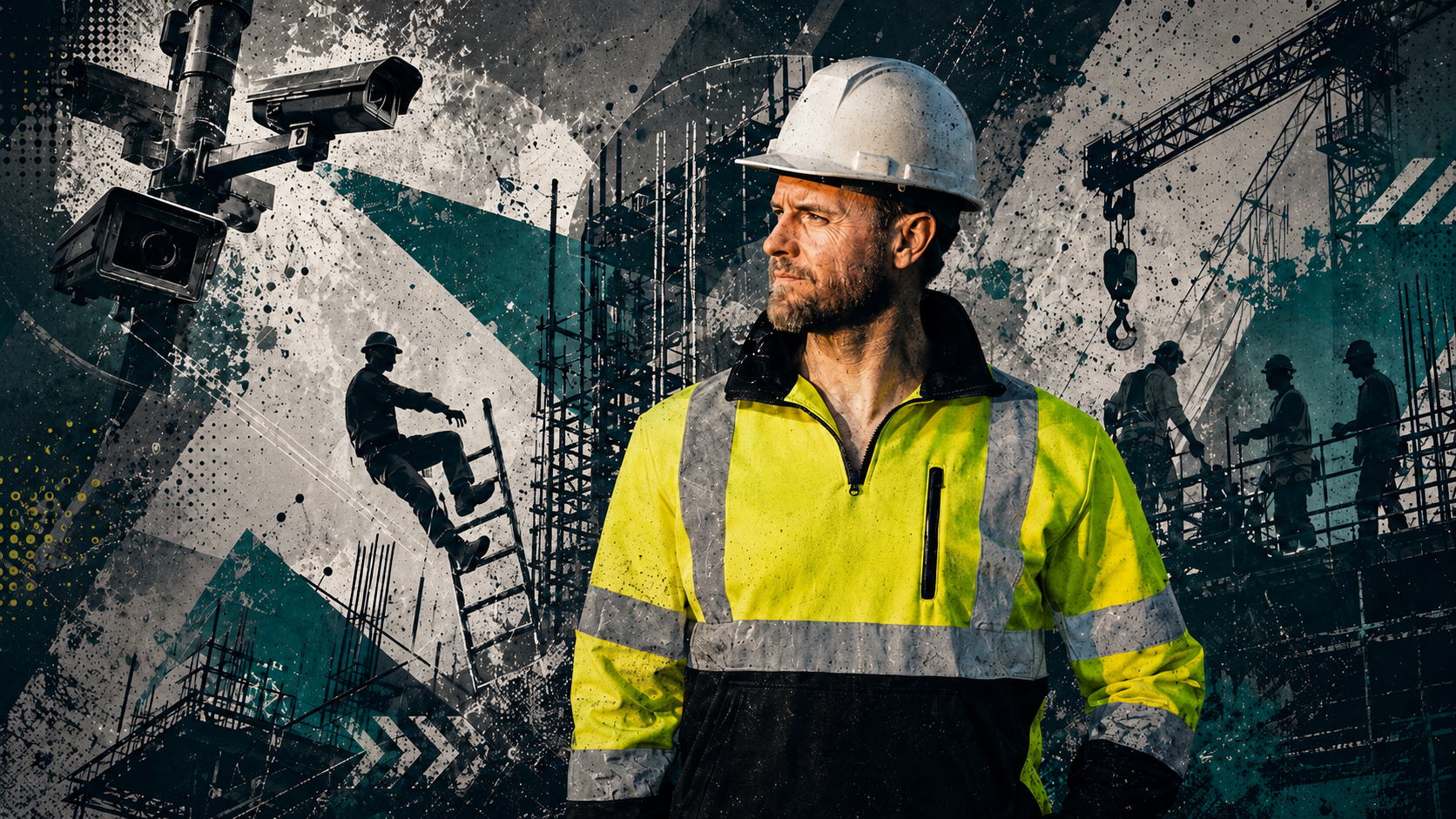
Cameras were becoming commonplace on construction sites even before AI and other digital advancements entered the picture. In addition, digital platforms and cloud-based environments make thorough documentation easier. Safeguards include preserved texts and email chains, timestamped digital photos of site conditions, inspection logs, subcontractor sign-offs, work journals, and time tracking systems.
These practices are not driven only by paranoia, but by experience — even if they add their own costs along the way.
This interview with ABC News in New York describes a case where surveillance caught a fake fall: the man claimed limb and head injuries, but the video showed him simply sitting down. One provider of document technology showed how their tools saved a residential construction company from another fraudulent slip-and-fall claim simply by proving the person was not on-site that day, and worked the day after the alleged injury.
The construction industry is facing insurance costs that show no signs of slowing down. With extreme weather, rising material and labor costs, and increased litigation all adding pressure, contractors and developers must take a proactive approach to managing risk — reviewing coverage regularly, tightening contracts, and keeping a close eye on the factors driving costs. Those who stay ahead of these challenges will be far better positioned to protect their projects and their bottom lines.