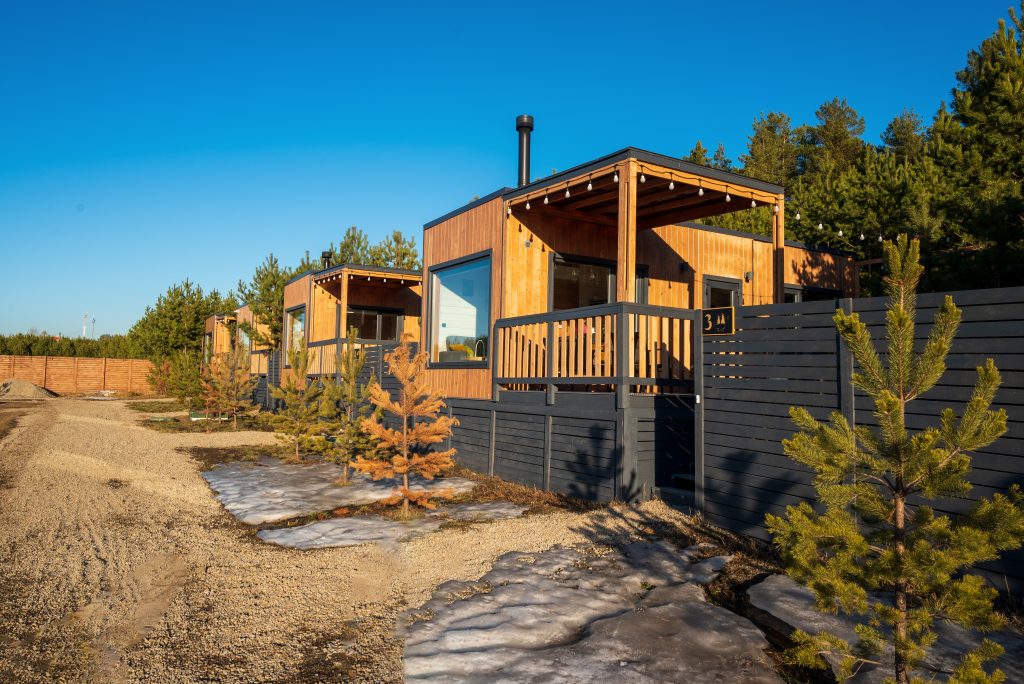

The landlord owns the land. The tenant owns the house. That’s what makes the arrangement unusual. About 20 to 22 million Americans live in manufactured housing, spread across roughly 43,000 communities. Yet the industry adds only 100,000 to 113,000 new homes each year, priced on average between $110,000 and $125,000—a fraction of the cost of a comparable site-built house.
The combination of strong demand, limited new supply, and a significant price advantage is the economic foundation of the sector. It has also attracted institutional capital alongside the independent operators who have run these businesses for decades.
Most manufactured housing communities operate on a land-lease model. The operator owns the land, roads, and utilities, while residents own their homes and pay lot rent. This structure means that the investment carries a different risk profile than conventional property ownership.
Moving a manufactured home can cost $5,000 to $20,000 or more, so residents rarely relocate. Occupancy in well-managed communities regularly runs 94% to 98%, while the operator carries far less maintenance responsibility than the standard landlord that owns an entire apartment building.
The combination of high occupancy and relatively low maintenance responsibility can create a stable, recurring income stream, with significant upside when there is room to improve the asset. Stabilized communities generally trade at cap rates of 6% to 7%. Raising below-market rents, filling vacant pads, or bringing in professional management can push cash-on-cash returns above 20% in the early years. Additional income from laundry facilities or storage can further strengthen the cash flow profile.
A Different Depreciation Profile
The operating model is only part of the appeal. Manufactured housing communities also have an unusual composition of depreciable assets.
Most of a community’s value sits not in buildings, but in land improvements such as roads, electrical systems, and water and sewer lines. Those components typically qualify for 5- to 15-year depreciation schedules rather than the 27.5- or 39-year timelines that apply to most real estate.
A cost segregation study will often reclassify 25% to 50% or more of a property’s basis into these shorter-life categories. With 100% bonus depreciation restored for property placed in service after January 2025, that reclassification can translate into a substantial first-year deduction against passive income. Investors exiting a position can pair the strategy with a 1031 exchange to defer the resulting gain.
The tax benefits, however, are not the same as permanent tax savings. Land itself is not depreciable, and depreciation taken is generally recaptured on sale. Passive-activity rules also continue to apply. It’s best when those limitations are built into projections from the beginning, rather than becoming an unwelcome afterthought to the upfront deduction.
Two Ways In
For an investor already sitting on acreage that is not generating income, developing a manufactured housing community can turn an underutilized property into an income-producing asset. More importantly, owning appropriately zoned or zoneable land can eliminate one of the industry’s biggest barriers: finding a site where a new community can actually be built. Zoning restrictions and local opposition have kept new supply limited in many markets, giving existing communities a degree of protection from new competition.
For investors without land, acquisition is the more common entry point. The ownership base remains highly fragmented, with independent, often long-tenured operators owning most communities across the country. That fragmentation creates opportunities to acquire properties that may benefit from higher rents, better occupancy, professional management, or other operational improvements.
Competition for the best-located and best-run communities has increased as institutional buyers such as Sun Communities and Equity LifeStyle Properties have entered the space. But smaller deals remain outside the scale or strategy of many institutional buyers, leaving room for other investors.
The Investment Is Not Passive
The same characteristics that make manufactured housing communities attractive also create some of their main risks.
Financing is one of the first obstacles. Agency lenders such as Fannie Mae and Freddie Mac generally favor larger, stabilized communities and may require 25% to 30% equity or more, along with evidence of operating experience. Smaller or value-add deals face tighter terms and fewer lenders willing to underwrite them.
Infrastructure is another concern. Many communities were built decades ago, and aging wells, septic systems, and utility lines can produce six-figure repair bills with little warning. A Phase I environmental review and detailed utility assessment are important parts of the due diligence process, before a purchase or development decision is made.
This operating model also demands hands-on management. Rent collection, rule enforcement, maintenance of common infrastructure, and tenant relations are part of the owner’s responsibility. Hiring a professional management company can reduce that burden, but it adds cost. Those costs can be higher when the community owns a larger share of the homes, since the operator is then responsible for managing and maintaining the homes as well as the underlying lots.
Regulation can also create challenges. Rent control, condemnation, and local political opposition can affect an existing community. Institutional owners have faced scrutiny over rent increases and tenant displacement. Anyone entering the sector needs to understand the local rules and regulations and be prepared to work with local officials and the surrounding community.
–
Manufactured housing communities sit at the crossroads of real estate, affordable housing, and operating business. The demand is substantial and the tax economics can be compelling, but the returns depend on much more than land ownership. Infrastructure, management, regulation, financing, and disciplined underwriting all shape the investment.
For investors prepared to manage an operating business rather than simply another piece of real estate, the sector offers considerable opportunity. The key is understanding the operational and financial factors that drive its returns and risks.
This material has been prepared for informational purposes only, and is not intended to provide or be relied upon for legal or tax advice. If you have any specific legal or tax questions regarding this content or related issues, please consult with your professional legal or tax advisor.