
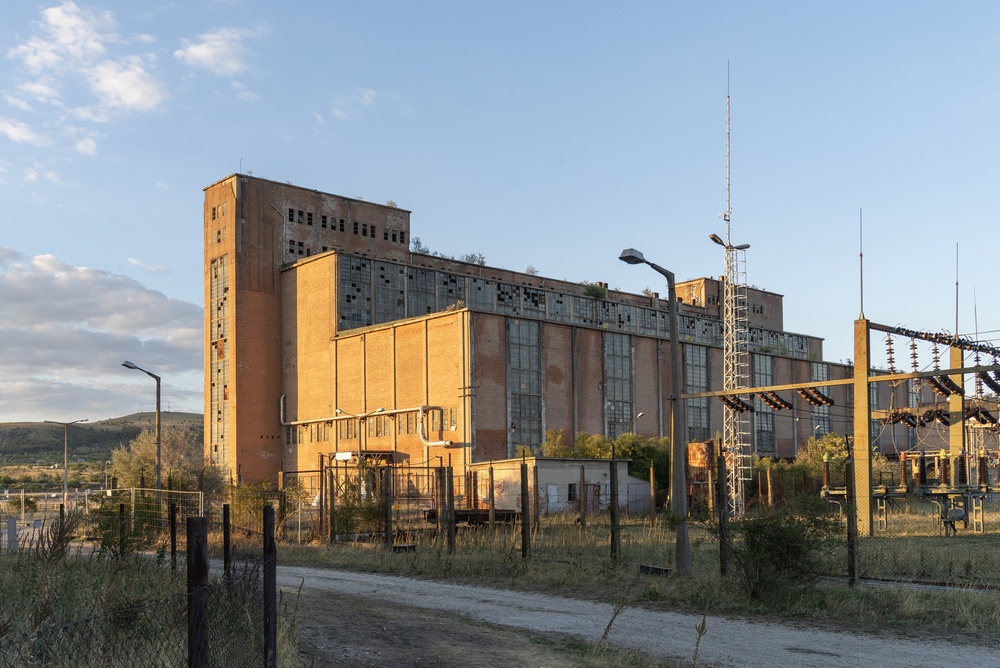
Aging power plants may seem like unlikely locations for the next generation of data centers. Once overlooked as redevelopment opportunities, these sites are attracting new attention as developers struggle to find locations with sufficient electrical capacity. With existing transmission lines, substations and other infrastructure, former power plants offer construction companies an opportunity to capitalize on growing data center demand through brownfield redevelopment.
Why Data Center Demand Is Driving Brownfield Redevelopment
With the increase in AI usage, data center demand has grown quickly, making these projects lucrative for construction companies. According to CBRE’s North America Data Center Trends H1 2026 report, data center supply in primary North American markets grew 33.7% year over year, yet vacancy remained at just 1.4%. However, the report also pointed out that data center projects run into numerous roadblocks.
“Power availability and infrastructure delivery timelines remain the most decisive factors influencing site selection, leasing activity and pricing. Local opposition has also become a serious obstacle, with community resistance and zoning delays stalling projects across North America. As a result, the ability to secure local approval has become as critical to site selection as power and fiber availability,” wrote the North American Data Center 2026 report.
Because of these issues, especially securing sufficient electrical capacity, construction companies are increasingly evaluating former industrial properties, such as former factories, aging power plants, warehouses, or industrial yards, as alternatives to greenfield sites. Because many properties that qualify for brownfield credits already have access to electricity and often pose no or few zoning hurdles, construction companies often consider data centers for brownfield projects.
Additionally, brownfield redevelopment projects may qualify for state tax credits that help offset remediation and construction expenses. However, eligibility depends on the property, program requirements, qualifying costs and the entity claiming the credits. For example, New York’s Brownfield Cleanup Program (BCP) offers tax credits of up to 50% of qualified remediation expenses and up to 24% of qualified redevelopment costs for eligible projects.
Why Former Power Plants Are Attractive for Data Center Construction
However, finding a cost-effective location for data center brownfield projects has proven challenging. On the surface, empty warehouses appear to be a perfect location for data centers. Construction companies quickly find that inadequate power, structural capacity, clear heights, cooling infrastructure or fiber can make conversion uneconomical.
Former power plants can offer significant advantages over other brownfield properties, particularly because they may already have transmission lines, substations and other electrical infrastructure designed for large-scale power generation. Many also have established water systems, industrial zoning and transportation infrastructure that can make redevelopment more practical. However, developers must verify that these existing assets can support the proposed data center without costly upgrades.
Reusing suitable infrastructure may also shorten development timelines compared with greenfield projects, where utility connections, roads and other infrastructure must be constructed from scratch. Existing industrial zoning may simplify land-use approvals, although data centers can still require additional permits and utility agreements.
For example, Amazon Web Services is currently planning to develop a 36-building data center at the site of the former Homer City Generating Station, which was the largest coal-burning power plant in Pennsylvania from 1969 to 2023. AP reported the critical infrastructure was already in place, including transmission lines connected to the mid-Atlantic and New York power grids, substations and water access.
According to Data Centre Dynamics Magazine, the gas plant will generate the power for the data center in addition to putting more than 1 GW of power back into the energy grid for the local area. Additionally, the new data center campus is projected to add between 1,500 and 2,000 new jobs to the community with average salaries between $80,000 and $100,000.
What Construction Companies Should Evaluate Before Starting a Project
While there can be significant financial benefits for using power plants as a brownfield data center project, that is not true in all cases. Some sites contain complications, especially with power availability and existing infrastructure that cause redevelopment expenses to quickly surpass the potential savings and tax credits.
Before pursuing a power plant for a brownfield data center project, construction companies should ask the following five questions to determine financial feasibility. Existing infrastructure can reduce costs, but substantial upgrades may still be needed to support a data center.
- Does the property qualify for brownfield tax credits? Each state operates its own brownfield program with separate qualifications and tax credit allocations. The first step is to conduct a Phase I Environmental Site Assessment (ESA), such as ASTM E1527-21. Some evaluations require a Phase II assessment based on issues uncovered in Phase I. Next, review the state-specific requirements and then apply to the state program to confirm approval.
- Can the site provide sufficient electricity and water? The EPA states that data centers need sufficient grid capacity, substation access, redundancy, and favorable tariffs, which depend on the specifics of the location. Construction companies should verify capacity with utility providers about current electrical capacity. The data center also needs access to a reclaimed or reliable water source within 1 to 10 miles of the site as well as the ability for substantial cooling of millions of gallons per MW per year
- What environmental contamination requires remediation? Many power plants contain coal ash deposits, contaminated soil, groundwater issues and hazardous materials that can significantly increase costs. The Phase I assessment will identify any contamination areas, such as ash ponds at former coal-fired plants, that need to be remediated. However, the Phase II assessment samples the areas of concern to determine the extent of the issue. Construction companies should then determine the cost of these efforts.
- Can the existing infrastructure be reused economically? Because power plants have often been unused, construction companies must make sure that the substations, transmission connections and water systems do not need substantial upgrades. Through an engineering assessment, construction companies can make sure that the electrical systems as well as water infrastructure such as piping, pumping equipment and wastewater are in working condition.
- What demolition and site preparation will be necessary? Power plants often contain buildings and infrastructure that are unnecessary or could interfere with a new data center project. For example, in the Homer City, PA project, the developer removed multiple large smokestacks from the property, according to the Allegheny Front .
After answering these five questions, the next step is to use this information to determine if the potential infrastructure savings and tax incentives outweigh remediation, demolition and construction costs. By evaluating these issues in depth and understanding hidden costs, organizations can make an educated decision on whether the former power plant site is viable for a brownfield data center.
Recognizing the opportunity
Former power plants can offer valuable advantages for data centers as brownfield projects. However, construction companies must carefully select and evaluate opportunities to make sure that the project makes financial sense based on infrastructure and other upgrades required. By considering power plants for data centers, organizations can help reuse existing infrastructure to power the technology needed for the future.
This material has been prepared for informational purposes only, and is not intended to provide or be relied upon for legal or tax advice. If you have any specific legal or tax questions regarding this content or related issues, please consult with your professional legal or tax advisor.